CONTROLLED Ventilation with Roof Vents
REMOVE MOISTURE FROM YOUR HOME and enjoy a healthy home with a good indoor climate
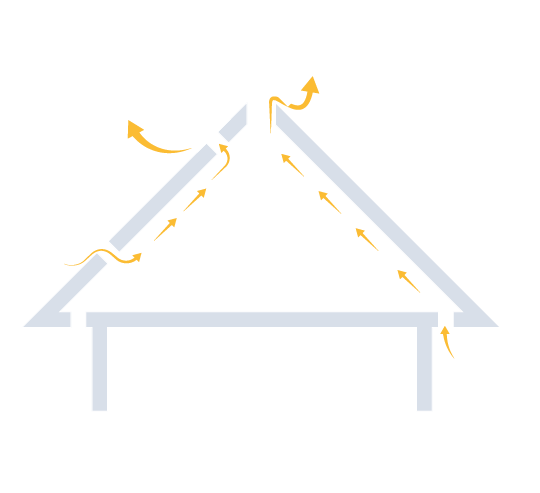
Roof space ventilation
To ensure a sustainable roof structure with a long service life, it is important to allow moisture to escape so that it does not damage the roof structure.
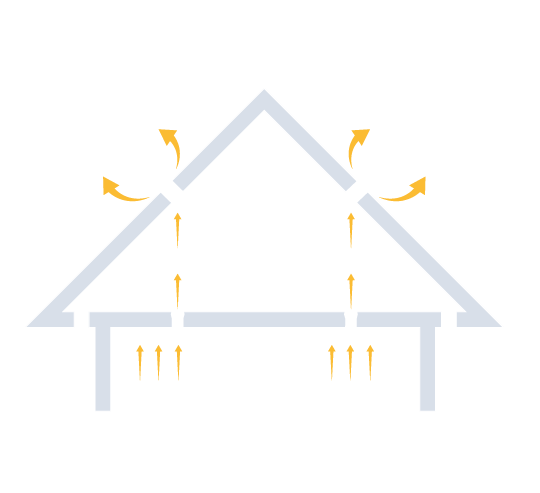
Residential ventilation
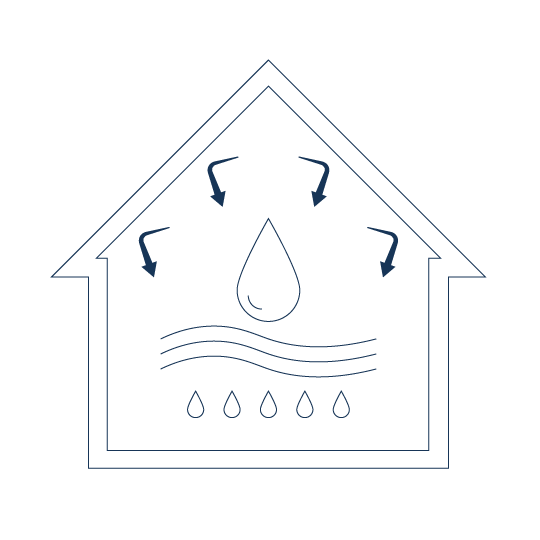
An average family adds the equivalent of 10–15 liters of water to the indoor air each day. All of this moisture needs to be removed to maintain a healthy indoor environment.
There are many good reasons to ventilate

For a healthy family life
A poor indoor climate can affect the health of those living in the home. On average, a family releases water vapour equivalent to 10–15 litres of water per day. This comes from activities such as bathing, cooking and doing the laundry. High humidity can directly cause respiratory problems, asthma and allergies.

Prevent dry rot and mould growth
Over time, moisture will penetrate the roof structure and attic space. This reduces the roof’s lifespan and creates conditions conducive to rot and fungal growth in the wooden parts of the structure. If conditions are right for rot and fungus, the affected woodwork can deteriorate in as little as 4–10 years, but proper ventilation can prevent this.

Make life hard for the bugs
High humidity provides ideal conditions for dust mites to thrive. Similarly, damp wood in the structure is an easy target for wood-boring insects such as wood borers and house longhorn beetles. They damage the wood from the inside and can be difficult to get rid of.

Get rid of pollution and gases
Proper roof ventilation ensures that contaminated air is removed from the home. This can include gases emitted by building materials and furnishings. If the house is not radon-proofed, radon gas can also seep up from below and must be vented out of the house.
Financial benefits
Roof construction and roof material last longer when properly ventilated. Heating of the building is cheaper when humidity is low, as dry air requires less energy.
Air-tight buildings require good ventilation
Today's new buildings are more airtight and better insulated than those of the past. While this is good for energy consumption, it poses challenges for ventilation. Homes that are more tightly sealed pose a greater risk of condensation and moisture build-up, so continuous ventilation is now more important than ever.